Negotiating Signage Opportunities for Medical Offices: Why Visibility Equals Patients

When searching for a new medical office, many tenants focus on location, size, layout, and rental costs. But there’s a critical element that often goes overlooked until it’s too late: signage rights.
Turn to Wexler Healthcare & Commercial Properties, the leader in healthcare real estate in New York City for over 40 years.
Most assume signage is automatically allowed—after all, what business can operate without identifying itself? But in New York City and other dense markets, signage restrictions are surprisingly common, and failing to address them upfront can significantly impact a practice’s visibility and patient flow.
Not All Buildings Allow Signage
Before signing a lease, it’s essential to confirm what signage—if any—is permitted. Some buildings prohibit exterior signs altogether, while others limit window signage, awnings, or even simple listings inside the lobby directory.
For a medical practice, that can be a serious issue. If patients can’t find you easily, the experience starts off with frustration, confusion, and missed appointments.
Why Signage Matters for Medical Practices
Unlike retail, healthcare visibility isn’t about impulsive foot traffic—it’s about patient trust, accessibility, and reassurance. Proper signage:
Shows patients they’re in the right place
Helps new practices gain traction
Reinforces your brand identity
Enhances accessibility for elderly or first-time visitors
Reduces no-shows from confusion or misdirection
In short: a hidden practice is an empty practice.
What to Negotiate
Signage should never be an afterthought. Make it a core part of your offer. Common items to negotiate include:
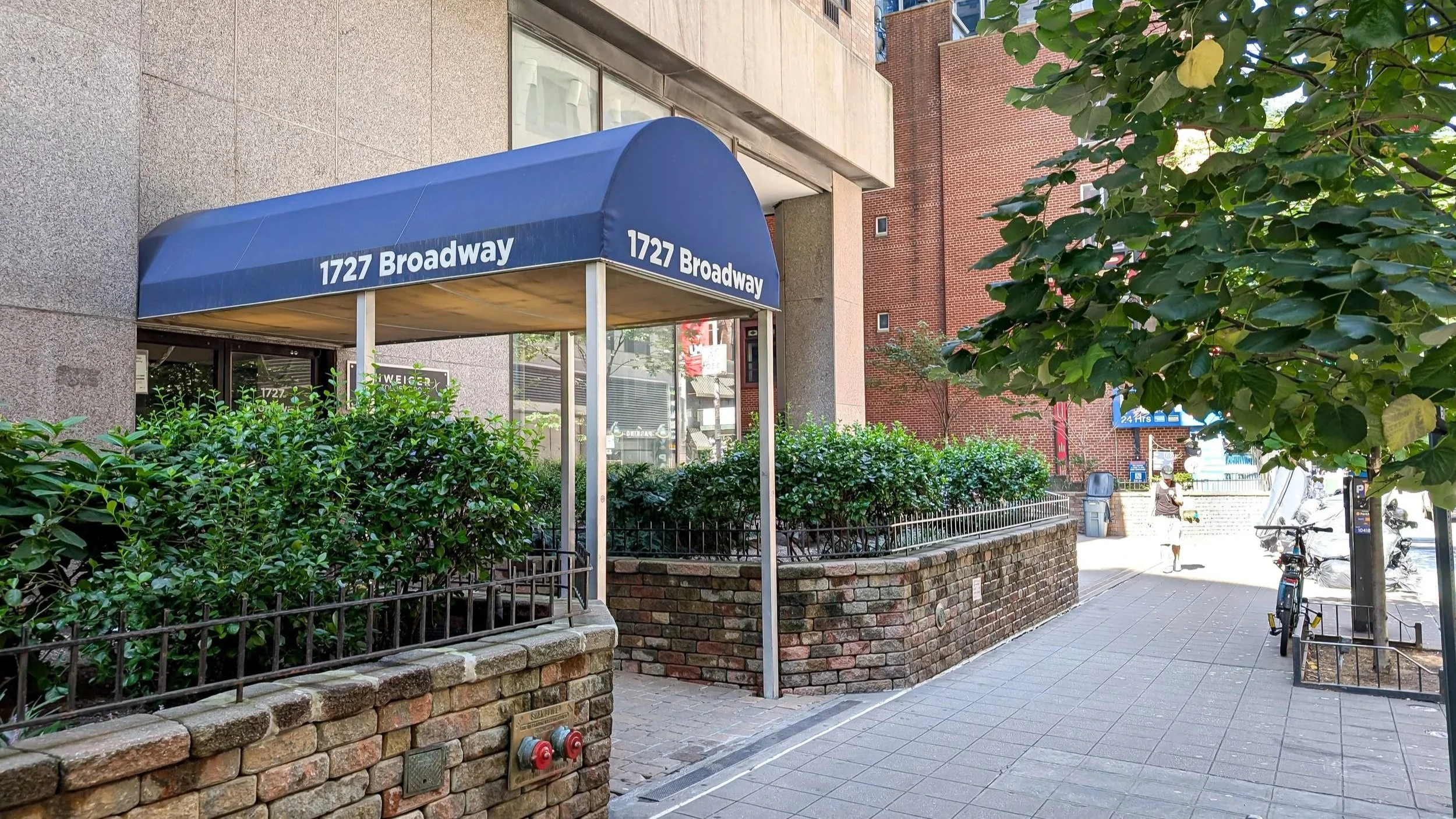
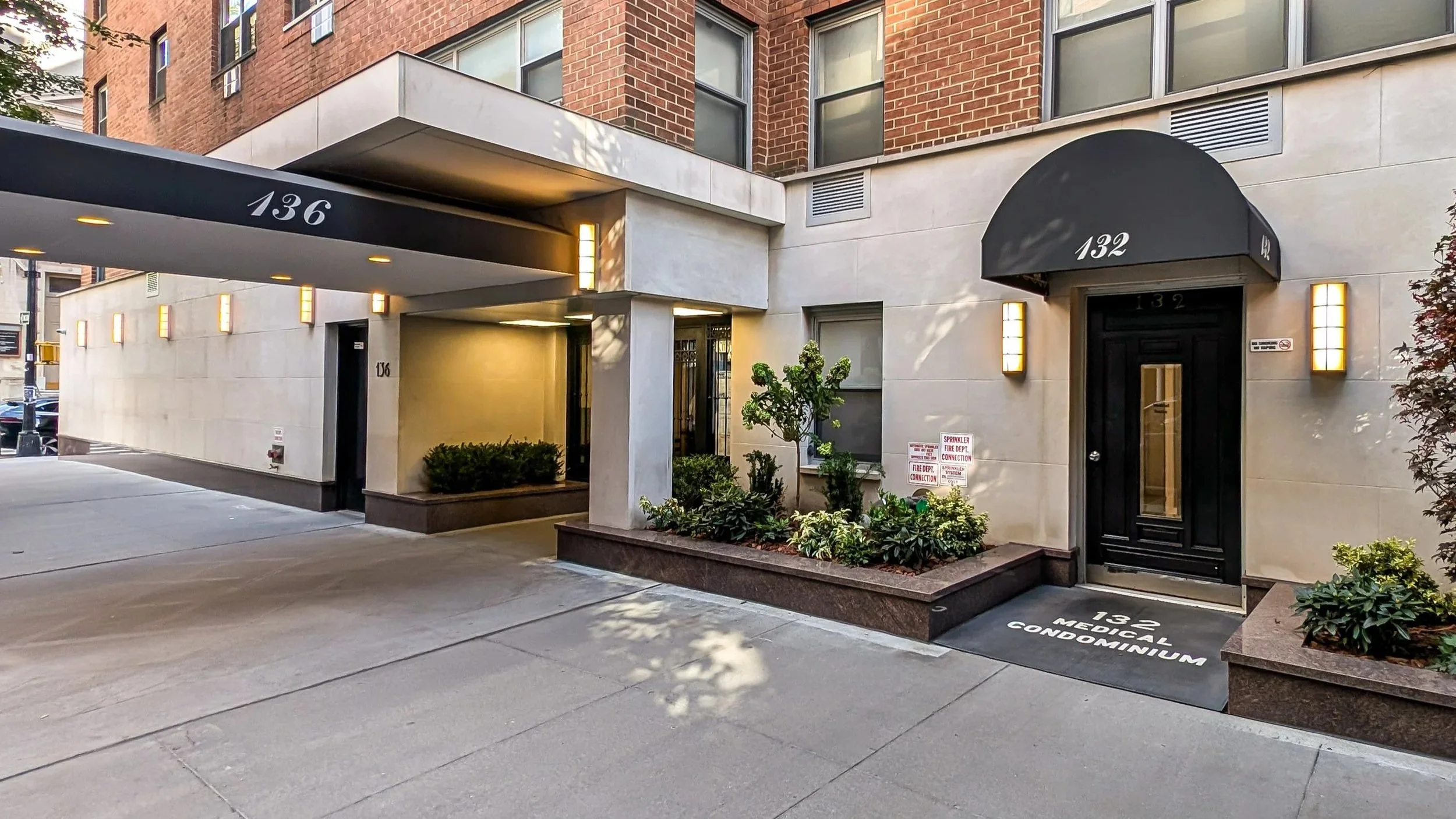
Exterior signage (building facade, awnings, lightboxes)
Monument or pylon signs (particularly for buildings with parking lots)
Window signage (vinyl lettering, decals)
Lobby or directory listings
Digital directory placements
Wayfinding signage inside the building
Even if the space is perfect, limited visibility might reduce your ability to scale, so factor signage restrictions into your decision.
When a Landlord Says No
If a landlord doesn’t allow signage, it isn’t automatically a dealbreaker—but it must be acknowledged in the economics of the lease. Limited visibility can impact patient acquisition, meaning the rent, concessions, or length of term should reflect that disadvantage. This is where a specialized broker becomes invaluable. Wexler Healthcare & Commercial Properties—New York City’s #1 trusted medical office real estate brokers—knows how to navigate signage restrictions that most general brokers overlook.
Bottom Line
Signage isn’t cosmetic—it’s operational. It affects patient flow, branding, and the long-term success of your medical practice. Always negotiate signage rights upfront, and don’t underestimate how powerfully visibility impacts your bottom line.
Recent Listings